
How to Choose a
Cremation Urn
Losing a loved one brings many decisions, and choosing a cremation urn may be one you never expected to make. This guide walks through the questions that can make the selection easier, from choosing the right urn size to considering where it will be kept and what style best reflects your beloved departed.

Guide Overview
- Begin with how the urn will be used
- Selecting the right urn size
- Consider the final resting place
- Urns for sharing ashes
- Urns for Pet's ashes
- Styles to match their personality
- Customize with engraving
- Traveling with an urn
- Our helpful checklist
- Frequently Asked Questions
Choosing an Urn: Step 1
Begin With How the Urn Will Be Used
Before considering urn sizes, materials and styles, it helps to understand the purpose the urn will serve. Consider whether the urn will be:
- kept and displayed at home, placed in a columbarium niche or mausoleum
- buried in a cemetery or memorial garden
- used for scattering or a water memorial
- used to share ashes among family members
- transported by car or airplane
- incorporated into a military, religious or other memorial service
Knowing the intended final resting place can help narrow your choices and guide decisions about size, material and style.
If a permanent urn has not yet been selected, cremated remains are generally provided by the crematory in a temporary container. There is no need to rush the decision simply because the cremation has taken place.
Choosing an Urn: Step 2
Choosing the Right Urn Size
One of the first questions families often have is "What size urn do I need?"
Cremation urn capacity is generally measured in cubic inches. Size labels such as small, medium, large and extra large can be useful for browsing, but they are not always standardized.
For that reason, the cubic-inch capacity listed for an individual urn is the more important measurement.
A Simple Cremation Urn Size Guideline
A commonly used rule of thumb is:
1 pound of body weight ≈ 1 cubic inch of urn capacity
For example, if your loved one weighed approximately 150 pounds, an urn with a capacity of at least 150 cubic inches would generally be appropriate.
The amount of cremated remains can vary, so choosing a little more capacity than you expect to need can provide peace of mind. Your crematory or funeral director can also help confirm the amount needed.
Is There a Standard Urn Size?
There is no single standard physical size for a cremation urn. Two urns can look different on the outside and still hold a similar amount of ashes. Shape, wall thickness and construction all affect internal capacity.
For someone whose ashes require a full-size capacity, explore cremation urns for adult cremation urns. If more than 200 cubic inches are needed, extra-large urns provide additional capacity.
Urns for infants and children are available in smaller capacity and in designs chosen with sensitivity for these especially tender memorials.
When the Urn Dimensions Matter
Capacity tells you how much an urn can hold. External dimensions tell you whether it will fit where you intend to place it.
This is especially important for a columbarium niche. Ask for the niche’s interior measurements and compare them with the height, width and depth listed on the urn’s product page.
The formula Volume = Length × Width × Height can help when evaluating a rectangular space, but it should not be used to estimate the internal capacity of a finished urn.
Choosing an Urn: Step 3
Consider the Material and Final Resting Place
Urns Kept at Home
When an urn will remain in the home, you have the widest range of materials and styles to consider. Some families want an urn that feels traditional. Others prefer something that blends naturally into the home or feels more like a work of art.
Metal urns, including brass, bronze and aluminum, offer durability and a broad range of decorative finishes.
Marble urns are often chosen for their timeless appearance and natural variation.
Ceramic urns can be graceful, colorful, artistic or highly detailed.
Wooden urns offer natural warmth and beauty, with grains and finishes ranging from traditional to contemporary.
Stained glass urns and cloisonné urns offer other artistic choices, with color and craftsmanship becoming part of the remembrance itself.
For a closer look at how each material differs in appearance, durability and care, see our complete guide to the best materials for urns.
Shop for Urns to Display


Urns for Burial
If the cremated remains will be buried, first check the requirements of the cemetery or burial location. Some cemeteries require an urn vault or another outer burial container.
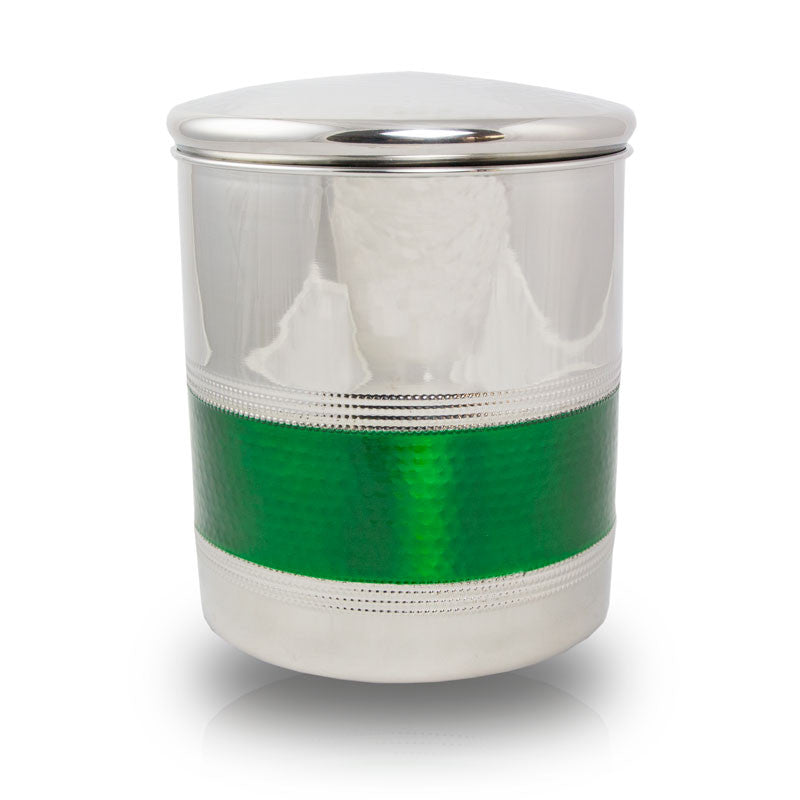
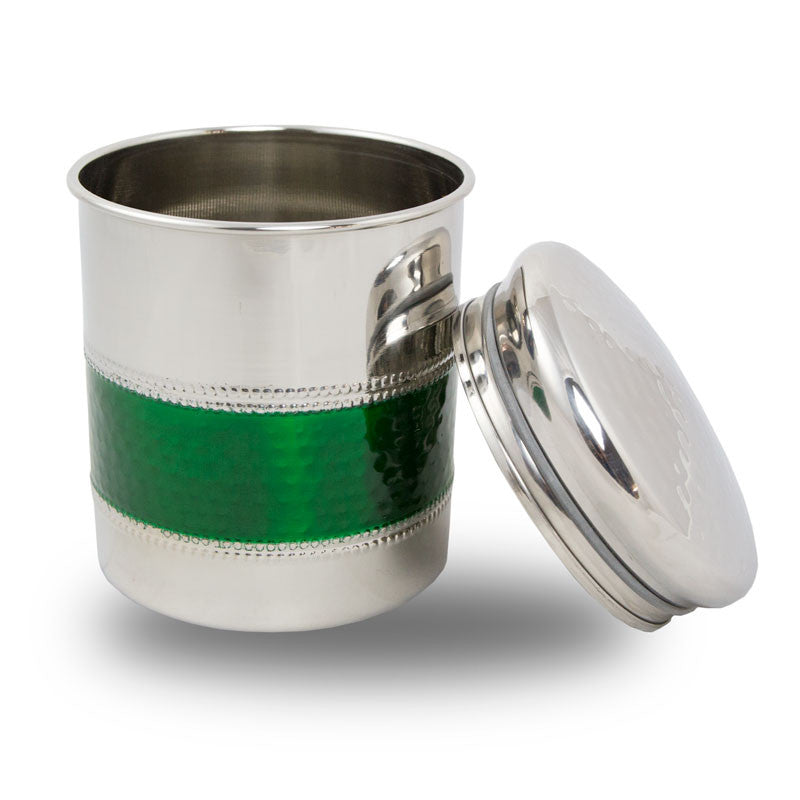
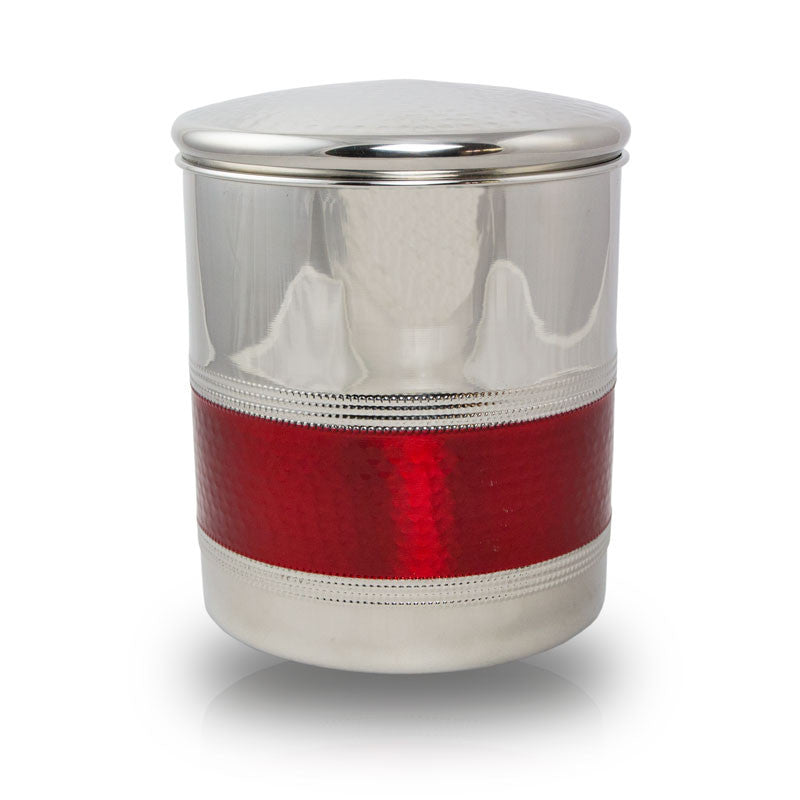
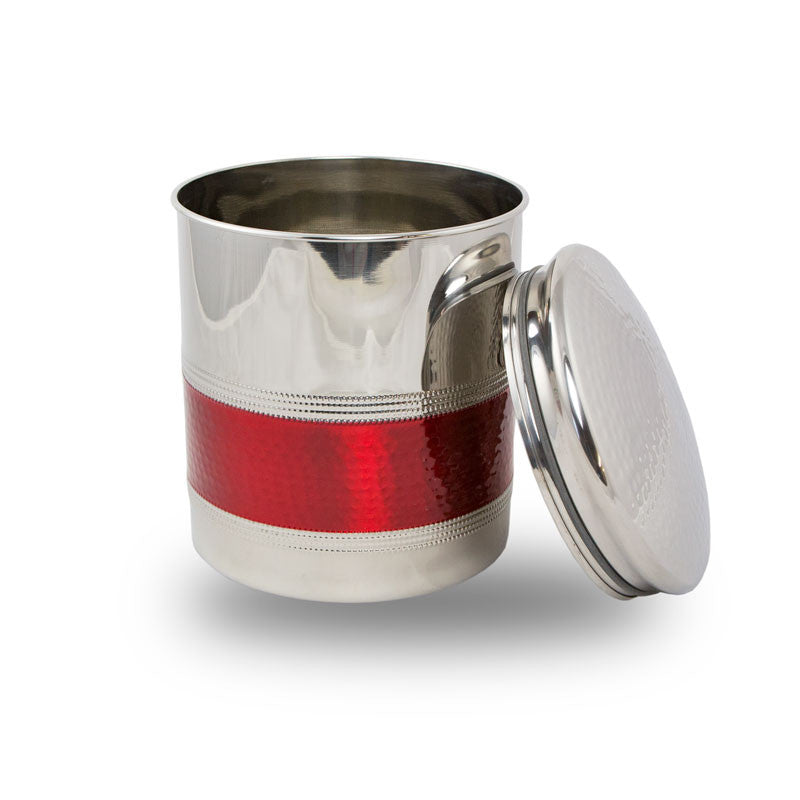
A permanent burial urn is one that will not lose its form or structure due to natural elements. It preserves the cremation ashes into perpetuity. Burial urns made of stone, such as marble or granite, and hard metals of bronze or stainless steel, are good choices, as are enameled cloisonné’s. Cremation urns such as these are also appropriate for interment, entombing in a mausoleum, or resting in a columbarium niche.
Others prefer a biodegradable urn designed to gradually return ashes to the earth.
A biodegradable urn, or non-permanent burial urn, is one that will slowly disintegrate over time, releasing the cremains into the ground as the materials gradually break down. Many urns in this green category are made of sustainable, non-toxic materials such as Himalayan rock salt, handcrafted papers made from Mulberry bark, corn starch, coconut shell, gelatin mixed with sand, and bamboo.
The right choice depends on the burial setting and what you would like to come of the memorial over time.
Urns for Scattering
After the cremation process, cremation ashes can be scattered at a spot meaningful to you or your loved one. An ash scattering ceremony is usually highly personal and is often smaller in size than a memorial to honor and memorialize a loved one’s life.
Scattering urns and tubes are generally lightweight and designed to make releasing ashes easier and more controlled. And many are designed to be repurposed after the ceremony for a lasting remembrance.
Water-soluble urns are created specifically for placement in water, while other biodegradable designs may suit a nature-based memorial.
Before choosing one, consider:
- where the scattering will take place
- whether all or only part of the ashes will be scattered
- whether you would like to keep a small portion
- whether there are rules or permission requirements for the site
A scattering ceremony can be simple or deeply personal. The container should support the kind of farewell you have in mind rather than add difficulty to it.
Shop Urns for Scattering


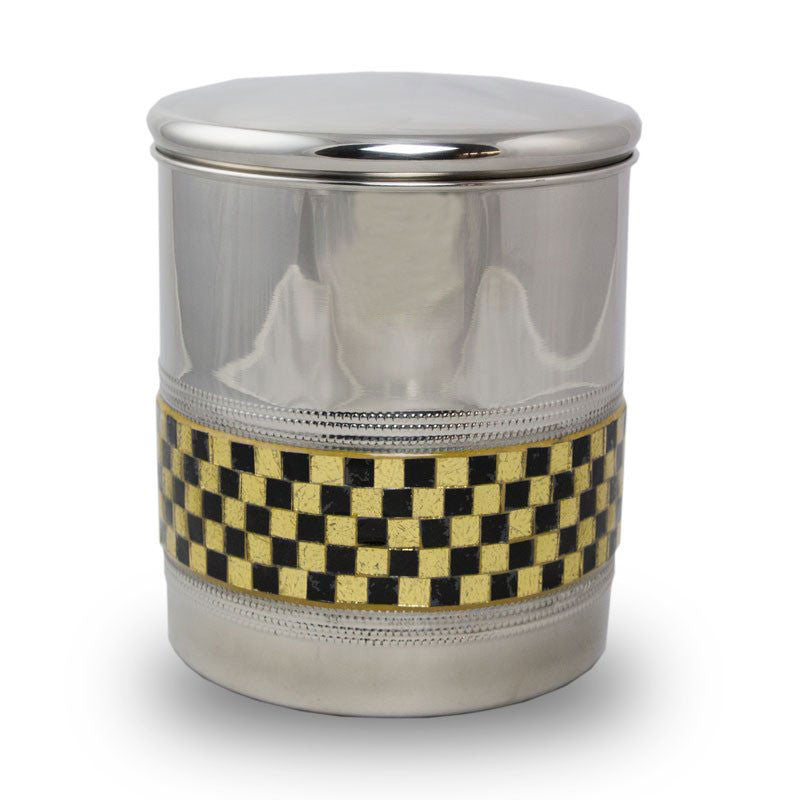
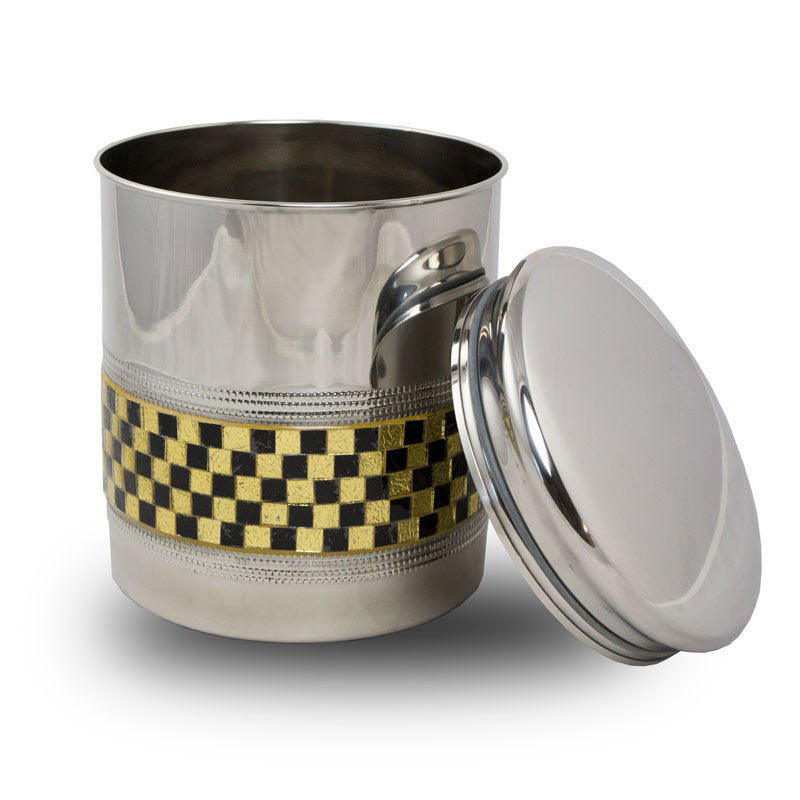
Choosing an Urn: Step 4
Keeping the Ashes Together or Sharing Them
Not every family chooses to keep all of a loved one’s ashes in one urn.
Keepsake urns hold a portion of ashes and can allow several family members to each keep a memorial memento close. These mini urns are popular way to retain a small amount of ashes after scattering or burial.
Cremation jewelry holds a very small amount of ashes and offers another personal form of remembrance.
Companion urns have greater capacity for the ashes of two people, allowing those who shared a life together to share a final resting place.
Shop Urns for Sharing




Choosing an Urn: Step 5
Urns for a Pet's Ashes
Choosing an urn for a beloved pet can be every bit as personal as choosing one for a family member. For many people, a pet’s memorial becomes a lasting reminder of the companionship, routines and everyday moments that made them such an important part of home.
Pet urn capacity is also measured in cubic inches. As a general starting point, the same guideline can be used: 1 pound of pet body weight ≈ 1 cubic inch of urn capacity
Because pets vary greatly in size, always check the capacity listed for the selected urn and choose a little additional room if you are close to the limit.
Beyond size, think about how you would like to remember your furry friend. Some families choose an urn from our main collection, while others are drawn to paw prints, photographs, a favorite color, breed-inspired designs or a memorial that simply brings their pet to mind.
Our pet memorials and urns collection includes options for dogs, cats and other companion animals in a range of sizes and styles. Smaller pet keepsake urns can also hold a portion of ashes when you would like to keep a small remembrance close or share the ashes among family members.
Shop for Pet Memorials


Choosing an Urn: Step 7
Choose a Style That Feels Personal
Once the questions of size, use and placement have been considered, choosing an urn often becomes a much more personal decision.
If your loved one expressed wishes about their memorial, those preferences may help guide you. Think about their personality, favorite colors, interests, traditions, places they loved, or the things that still bring them to mind.
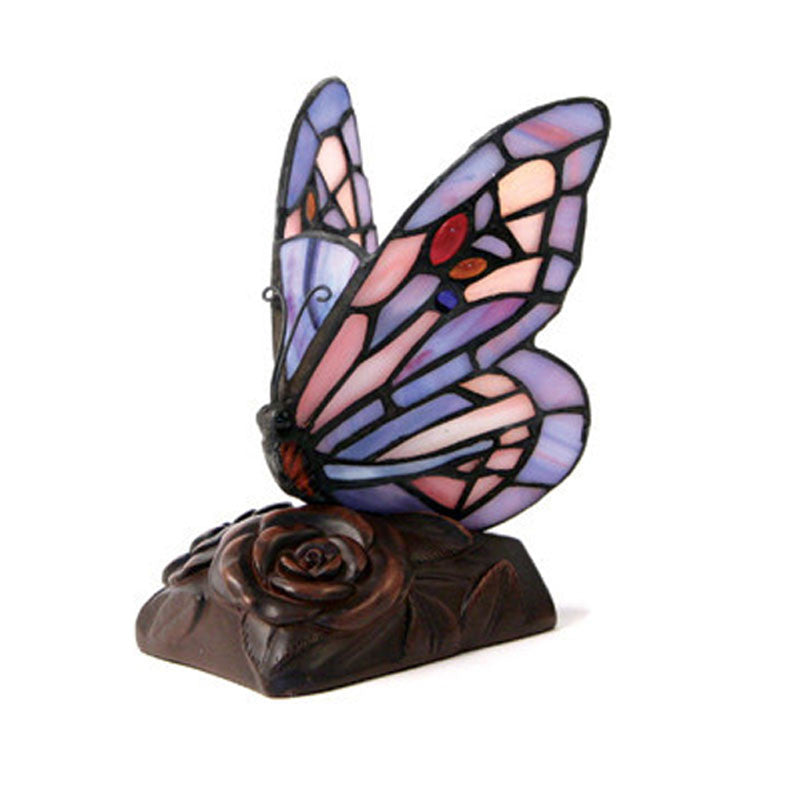
For some families, a classic urn in a timeless material feels right. For others, it may be a favorite flower, a bird or butterfly, a meaningful color, a photograph, religious symbol or artistic design that reflects something distinctive about the person they loved.
Some people are remembered through quiet, understated designs. Others seem better reflected in color, intricate craftsmanship or something entirely unexpected.
There is no one style that makes an urn the right choice. The possibilities are varied because the people they memorialize are, too.
Shop for Urns by Style


Choosing an Urn: Step 8
Consider Personalization
Urn personalization with engraving adds another meaningful layer to the memorial.
An urn may be customized with a name, dates, photograph, meaningful symbol, favorite verse or a few words that bring the person to mind. Depending on the design, personalization may be engraved directly onto the urn or added through a plaque, medallion, or base.
If you are considering personalization, our engraving and personalization guide explains the available options and what to consider before ordering.
Memorializing your loved one with a heartfelt message can make the urn feel even more personal. If you are looking for inspiration, these 20 unique urn engraving ideas can help you find words that feel meaningful and true to the person you are remembering.
These extra details can turn a beautiful urn into something unmistakably theirs.
Choosing an Urn: Step 9
If the Urn Will Travel
If the cremated remains will travel, consider that before choosing the permanent urn.
Airport security and airlines may have requirements for transporting cremated remains, including requirements related to the container material.
Before flying, review current TSA guidance and the rules of your airline. For international travel, also check the requirements of the destination country.
In some cases, families choose to travel with the ashes in an appropriate temporary container and transfer them to the permanent memorial urn after arriving.

Choosing an Urn Checklist
Before making your final selection, review these details:
- Capacity: Is there enough cubic-inch capacity?
- Dimensions: Will the urn fit the shelf, niche or other intended space?
- Final placement: Is the material suitable for display, burial, scattering or another use?
- Cemetery requirements: Are there requirements for burial or columbarium placement?
- Closure: How does the urn open and close?
- Personalization: Are names, dates and messages correct?
- Timing: If the urn is needed for a service, have you checked processing and estimated delivery?
Taking care of these details can provide reassurance and leave more space for the part of the decision that matters most: choosing a memorial that feels right.
Frequently Asked Questions
What size urn do I need for human ashes?
A commonly used guideline is one cubic inch of urn capacity for each pound of body weight before cremation.
For example, if your loved one weighed approximately 180 pounds, an urn with a capacity of at least 180 cubic inches would generally be appropriate.
This is an estimate. Always check the capacity of the individual urn, and ask your crematory or funeral provider if you are unsure
How do ashes come from the crematory?
If a permanent urn has not been selected, cremated remains are generally returned in a temporary container.
The ashes can remain there while you decide on a permanent urn, so the choice does not have to be made immediately.
How are ashes transferred into a cremation urn?
There are several options. A funeral home or crematory can often transfer the ashes for you. If the urn has a sufficiently large opening, you may also be able to place the original sealed bag of ashes directly inside.
When the opening is too small for the original bag, the ashes can be carefully transferred into a new liner bag inside the urn. See our step-by-step guide to transferring ashes to an urn for more guidance.
Do cremation urns have to be sealed?
Not necessarily. Urns may use threaded lids, fitted lids, stoppers, screws or bottom-opening panels.
Some families choose to seal an urn permanently, while others prefer to retain access. For burial or cemetery placement, check whether there are specific requirements.
Can any cremation urn be buried?
Many can, but first check the requirements of the cemetery or burial location. Some cemeteries require an urn vault or outer burial container.
Biodegradable urns are another option when a family prefers a memorial designed to gradually return to the earth.
What is the best material for a cremation urn?
There is no single best material.
Wood, metal, ceramic, stone and glass can all be beautiful choices for display. Durable materials may suit permanent placement, while biodegradable materials are designed for certain burial or water memorials.
The right material depends on how the urn will be used and what feels appropriate for the person you are remembering.
What is the best material for a cremation urn?
There is no single best material.
Wood, metal, ceramic, stone and glass can all be beautiful choices for display. Durable materials may suit permanent placement, while biodegradable materials are designed for certain burial or water memorials.
The right material depends on how the urn will be used and what feels appropriate for the person you are remembering.
We hope this guide is helpful and supportive in navigating this difficult process. If you have any additional questions about transferring ashes to a cremation urn, please feel free to reach out to us at hello@oneworldmemorials.com.